Around the world, the conversation surrounding reproductive wellness is shifting from basic charity toward sustainable, long-term industry. For years, the standard approach to addressing period poverty or menstrual hygiene gaps has been heavily reliant on sporadic donations and corporate philanthropy. While one-off distributions of disposable products provide temporary relief, they rarely solve the systemic infrastructure or educational deficiencies communities face.
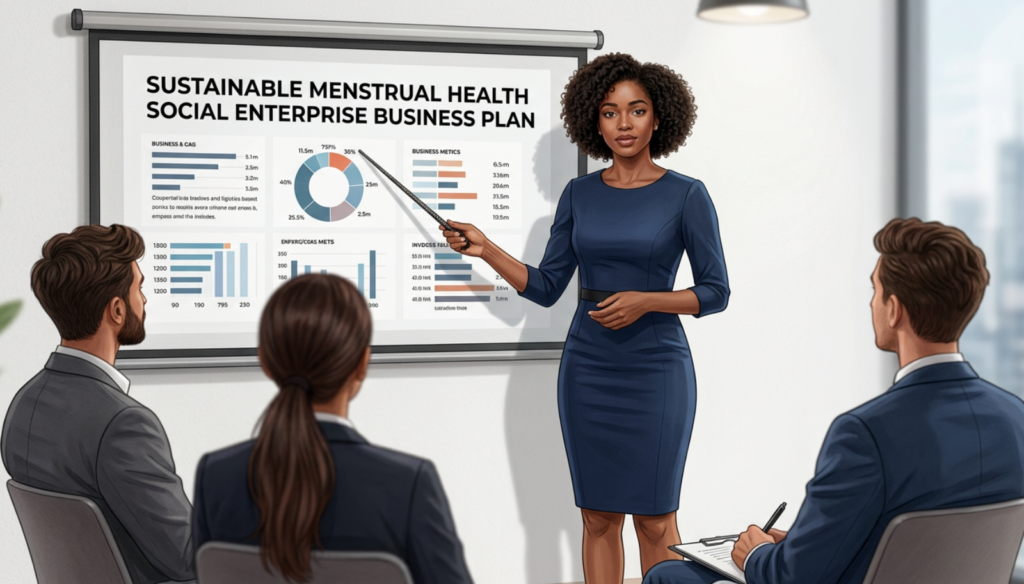
Today, a new wave of passionate advocates, public health experts and visionaries are seeking a better framework. By learning how to build a structured social enterprise, changemakers can transition away from unstable donor funding and build self-sustaining models that generate consistent income while making a lasting community impact.
Moving Past Charity: Why the Menstrual Market Needs Sustainable Ventures
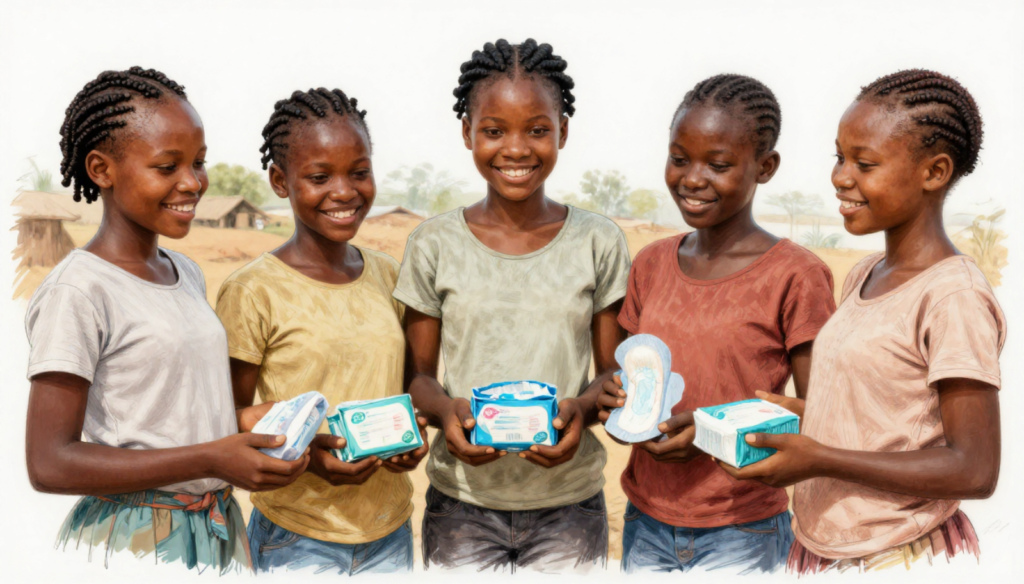
Relying strictly on non-profit charity models to solve systemic menstrual health issues introduces severe long-term vulnerabilities. When grant cycles end or donor priorities shift, critical community outreach programs often collapse abruptly. Furthermore, flooding a community with single-use products without an education framework fails to address core menstrual literacy and creates a massive environmental burden.
According to an international development study published via Diva-Portal, simply distributing single-use pads without systemic infrastructure can actively worsen localized waste management problems. This is backed heavily by a global landmark report from the United Nations Environment Programme (UNEP) Life Cycle Initiative, which explicitly warns that over 80% of disposable menstrual products end up directly in landfills or municipal waste dump sites where their hidden plastic components can take up to 500 years to break down completely. This proves that one-off distributions in areas lacking modern waste systems are environmentally unsustainable.
A sustainable social enterprise operates differently. It treats menstrual health as a vital ecosystem that requires premium, reliable products and localized business structures. By creating a revenue-generating business model such as manufacturing high-quality reusable pads or offering other related products or services, you ensure that your venture generates its own operating capital. This financial independence allows you to fund your advocacy work continuously without waiting on external donations, turning a temporary charity project into a permanent community anchor.
Key Areas of Opportunity Within the Rising Menstrual Economy
The global menstrual wellness sector is expanding rapidly as consumers demand healthier, green alternatives. According to verified industry data published by Deep Market Insights, the global reusable sanitary pad market alone was valued at over $1.17 billion in 2024 and is on track to compound at an aggressive annual growth rate of 8.2% through 2030.
This explosive growth is heavily driven by a structural shift among consumers prioritizing non-toxic, chemical-free alternatives to single-use plastics. Parallel data tracking from SNS Insider reveals that related eco-friendly segments like the menstrual cup market are projected to eclipse $1.56 billion by 2032, proving that consumers are actively searching for items with a long lifespan that deliver substantial personal cost savings.
For innovators looking to enter this space, these multi-billion-dollar figures confirm that building a sustainable, double-bottom-line menstrual venture is not just an advocacy project, it is a highly viable, recession-proof economic model with tremendous room for financial expansion and scalable impact.
1. Sustainable Manufacturing (Reusable Pads and Period Underwear)
As awareness grows regarding the chemical risks and plastic pollution tied to conventional single-use pads, the demand for eco-friendly alternatives is skyrocketing. Producing premium reusable pads made from organic, locally sourced materials presents a massive market opportunity.
According to the global framework set by the UNFPA, UNHCR and UNICEF Technical Specifications for Reusable Menstrual Pads, standardized reusable products must be completely free from harmful chemical residues like chlorine, heavy metals, and synthetic fragrances. Because a single reusable pad engineered under these strict global standards can last for several years with proper maintenance, this model offers immense cost-savings to consumers while allowing entrepreneurs to build a highly scalable, trusted product brand.
Adhering to these rigorous international safety guidelines is exactly what separates temporary grassroots initiatives from globally compliant social enterprises. When your brand manufactures or distributes menstrual hygiene products that meet verified international material standards, you position your organization to secure large-scale contracts with institutional buyers, international NGOs, and government ministries. Embracing strict production standards not only ensures superior skin protection for your end consumers, but it also establishes the operational credibility required to scale your distribution across borders and secure a dominant share of the green reproductive health market.
Bulk Orders & Retail Support: Are you looking to supply high-quality, eco-friendly reusable pads for your school outreach, NGO project or retail store? Explore our premium collections at the Menstrualdemy Market or email us directly to discuss your specific bulk order requirements and custom packaging options today.
2. Menstrual Literacy, Advocacy, and School Facilitation Training
Products alone cannot solve a lack of body literacy. There is a continuous demand from schools, corporate organizations, and NGOs for structured, culturally sensitive menstrual health education. Building a specialized agency that trains certified educators, designs educational curriculums, and coordinates school health workshops turns community advocacy into a highly valued corporate social responsibility (CSR) service.
As documented in global field studies compiled in the UNESCO’s Good Policy and Practice in Health Education Report available on the UNESCO Health and Education Repository, a staggering 66% of girls in low- and middle-income regions have no baseline biological understanding of menstruation until their first period arrives. When organizations simply hand out product supplies without providing proper physical education, they ignore the intense fear, social exclusion, and structural taboos that drive school absenteeism.
A World Bank Policy Assessment confirms that multi-dimensional, collaborative educational responses are absolutely required to build supportive environments where individuals can manage cycles without shame or embarrassment.
By scaling specialized training models that actively educate local communities, social enterprises can tap into a growing market for premium educational consulting. Corporate brands are increasingly seeking to invest their CSR budgets into structured, data-driven reproductive health literacy programs rather than funding temporary, unmeasured item giveaways.
Partner With the Experts: If your school, corporate organization or NGO needs expert-led menstrual literacy workshops either virtual or in-person or a tailored reproductive health curriculum; Click here to chat with us directly on WhatsApp or send us an email (menstrualdemy@gmail.com) to co-create a high-impact menstrual education program for your community today
3. Holistic Digital Innovations and Cycle Support Products
Beyond physical products, the modern period wellness market thrives on digital toolkits, specialized health coaching, and targeted cycle-syncing resources. Entrepreneurs can build profitable ventures by curating solutions from different areas that present opportunities to solve a problem that includes building wellness applications, or joining the distribution chain as distributors of reusable menstrual pads or natural herbal remedies designed specifically for hormone support and cycle management amongst others.
Looking for a proven blueprint? Read our summarized breakdown on Making an Impact in Menstrual Health directly on our blog to understand the framework of modern period product advocacy.
Step-by-Step Strategy to Launch a Menstrual Product or Service Brand
Launching a successful venture in this ecosystem requires balancing business fundamentals with deep community trust. First, you must validate the specific problem you are solving whether it is an lack of eco-friendly reusable pads in your region or a lack of proper period hygiene literacy in local schools.
Next, design a clear double-bottom-line framework where your revenue generation directly funds your social mission. For instance, a “buy-one-give-one” model or cross-subsidizing commercial sales to fund rural school training programs ensures your financial growth directly scales your community impact. Finally, focus on establishing measurable impact metrics, as modern consumers and ethical investors heavily prioritize transparent data-driven social ventures.
Transforming Passion Into Profit and Scalable Impact
Building a successful social enterprise means unlearning the myth that doing good in the world requires you to work without financial reward. True sustainability is achieved when your business structure allows you to generate competitive profit while simultaneously solving pressing social health problems.
By upgrading your venture from an informal outreach project to a registered, structured enterprise, you unlock access to global impact investments, build sustainable manufacturing chains and position your brand as a leading authority in the evolving global menstrual market.
Turn Your Passion Into a Sustainable Business: Stop funding period poverty alleviation out of your personal pocket all the time. Apply for the next cohort of our Menstrual Business School Program, an 8 Day online training school engineered to teach you how to design solutions, build income-generating brands, and scale your social impact flawlessly.
If you are stuck or confused about where to begin your journey, email us directly at menstrualdemy@gmail.com to schedule a personalized consultation and map out your next steps.