

For millions of individuals worldwide the arrival of a monthly menstrual cycle triggers a predictable routine of debilitating pain, fatigue and reliance on over-the-counter painkillers. Known medically as dysmenorrhea, severe period cramps disrupt daily activities, work productivity and overall well-being.
While reaching for pharmaceutical pain relief is common, scientific advancements are proving that your diet plays a massive role in uterine comfort. By making targeted dietary adjustments, you can systematically lower bodily inflammation and soothe intense uterine cramping right from your kitchen.
Understanding Dysmenorrhea: Why Does Your Period Hurt?
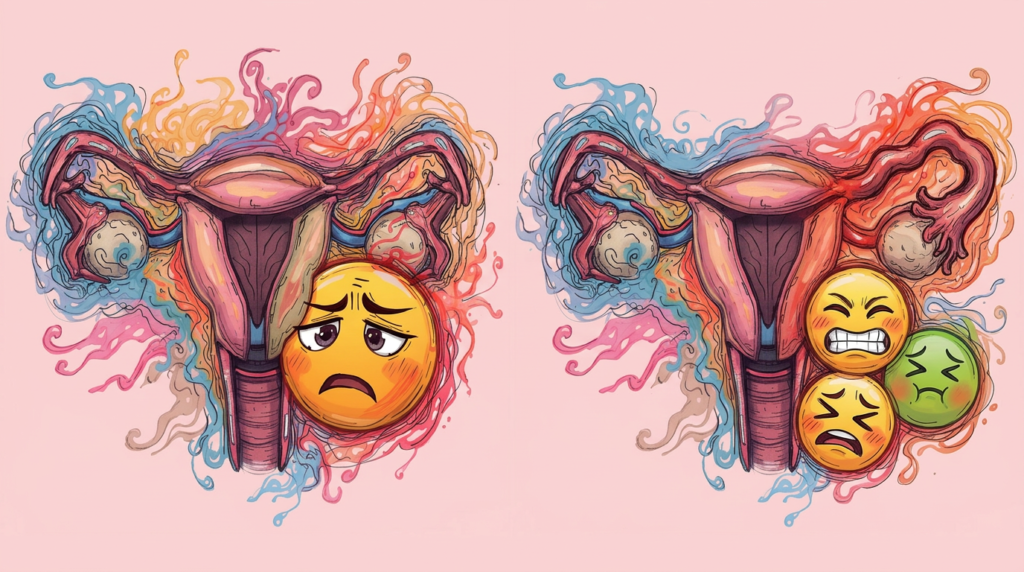
To stop menstrual pain at its source, you must understand exactly what triggers it inside your body. During your menstrual phase, the lining of your uterus produces naturally occurring lipid compounds called prostaglandins.
Prostaglandins serve a vital reproductive purpose: they signal the smooth muscles of your uterus to contract, helping your body safely shed its endometrial lining. However, when your body produces abnormally high levels of prostaglandins or if your systemic inflammation levels are high, these contractions become excessively violent.
These hyper-contractions constrict nearby blood vessels, temporarily cutting off oxygen supply to the uterine tissue. It is this brief lack of oxygen, combined with high inflammatory markers, that registers in your nervous system as intense, throbbing menstrual cramps.
Conventional painkillers work by chemically blocking prostaglandin production, but they often trigger secondary gut irritation and side effects over time. Fortunately, specific anti-inflammatory foods replicate this exact pain-blocking mechanism completely naturally.
Top 5 Anti-Inflammatory Foods for Menstrual Cramps
1. Ginger and Turmeric (The Natural NSAIDs)
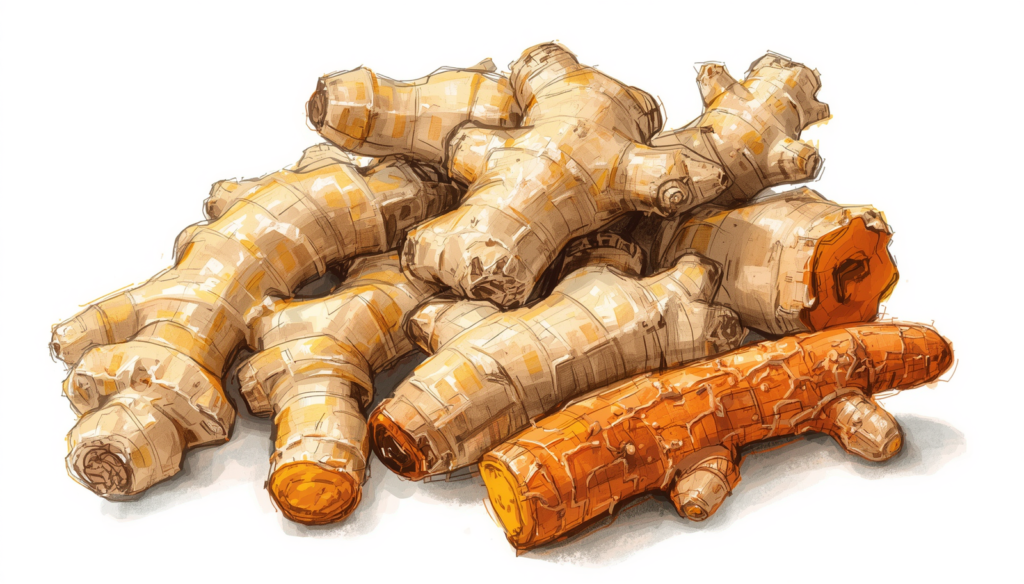
Ginger and turmeric contain potent bio-active compounds called gingerols and curcumin which act as natural non-steroidal anti-inflammatory agents. Peer-reviewed clinical trials published in PubMed Central (PMC) demonstrate that consuming oral ginger at the onset of your cycle is just as effective at reducing primary dysmenorrhea severity as conventional drugs like Ibuprofen and mefenamic acid. These root spices actively down-regulate the cyclooxygenase (COX) enzymatic pathway, drastically lowering the raw volume of pain-inducing prostaglandins your uterus releases.
Tired of guessing what to cook when your cycle hits? Download our Premium 14-Day Menstrual Pain Relief & Cycle Support Meal Plan to get step-by-step anti-inflammatory recipes curated specifically to banish cramps.
2. Leafy Greens (Magnesium for Muscle Relaxation)
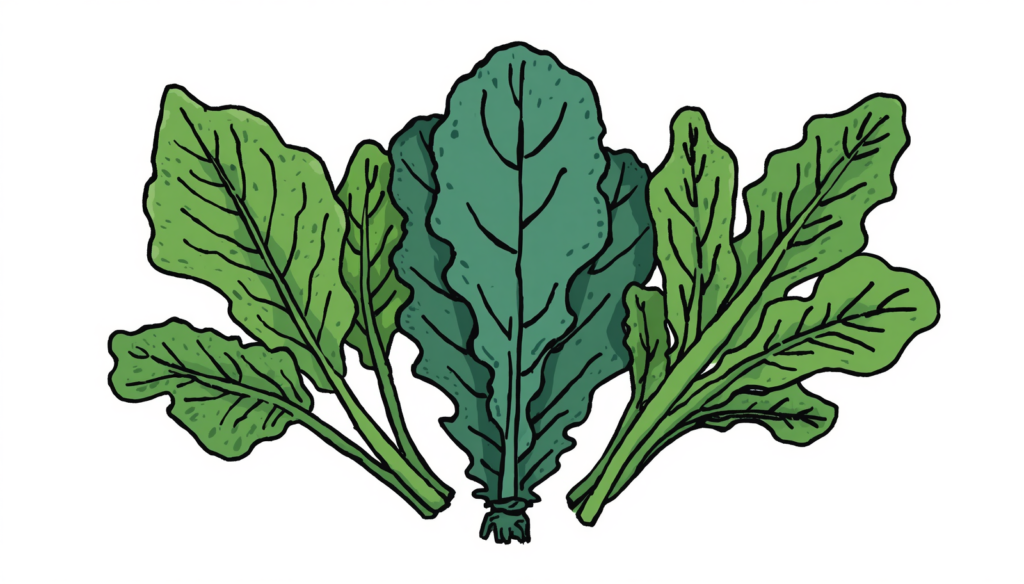
Vegetables like spinach, kale, and fluted pumpkin leaves (Ugu) are packed with elemental magnesium. As documented by medical researchers at the Cleveland Clinic magnesium works directly within the body as a natural smooth muscle relaxant. It acts as a physiological antagonist to calcium, preventing the hyper-active muscular spasms that drive severe uterine contractions. Increasing your intake of leafy greens a week before your period stabilizes nerve signals and reduces pelvic floor tension.
3. Fatty Fish and Seeds (Omega-3 Fatty Acids)
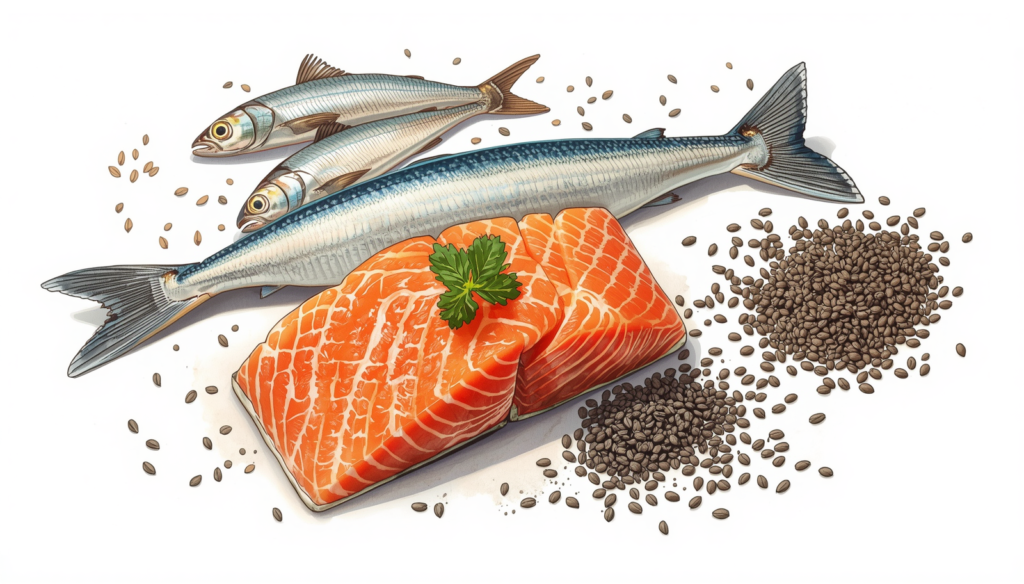
Salmon, mackerel, sardines, chia seeds and flaxseeds are rich sources of Omega-3 polyunsaturated fatty acids. Omega-3s compete directly with inflammatory Omega-6 fatty acids in cell membranes. When your body breaks down Omega-3s, it builds a completely different, less aggressive class of prostaglandins that do not induce painful uterine spasming, allowing your body to shed its lining smoothly without agonizing friction.
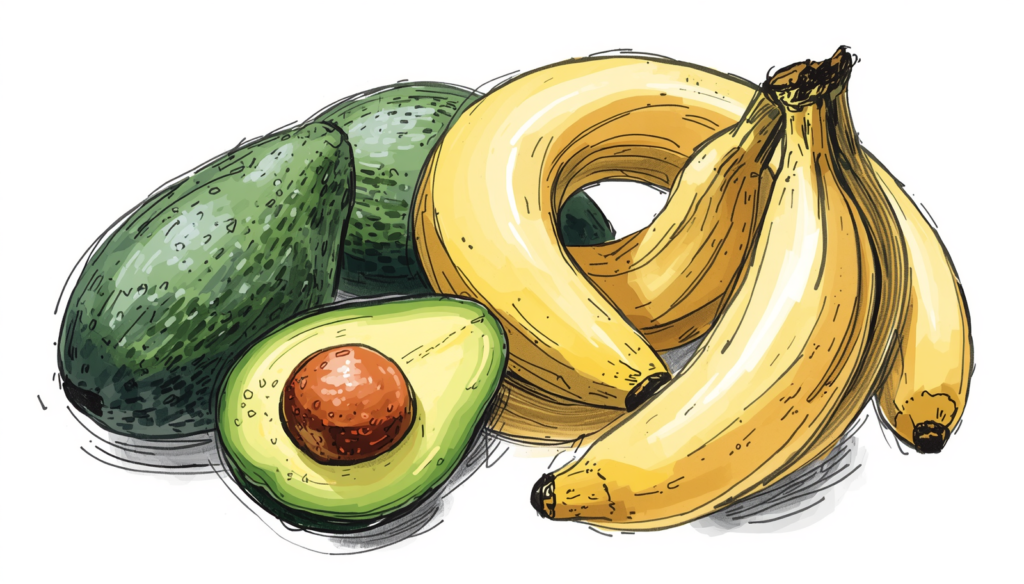
4. Avocados and Bananas (Potassium for Bloating Relief)
Period pain is frequently worsened by abdominal bloating and heavy water retention. Bananas and avocados provide exceptional doses of potassium and vitamin B6. Potassium acts as a natural diuretic that flushes excess sodium out of your bloodstream, relieving internal tissue swelling and localized pressure around the lower abdomen and pelvic region during your luteal phase.
5. Dark Chocolate (High-Zinc and Magnesium Soothers)

Satisfying your period cravings with high-quality dark chocolate (70% cacao or higher) provides double benefits. Cacao is packed with copper, zinc and magnesium, essential micronutrients that elevate blood circulation to the pelvic organs and stimulate endorphins, your body’s natural internal pain-relieving hormones.
3 Inflammatory Foods to Avoid During Your Bleeding Phase

To maximize the benefits of an anti-inflammatory diet, you must simultaneously remove triggers that stimulate extra prostaglandin production:
Excessive Caffeine: Caffeine acts as a vasoconstrictor, meaning it tightens blood vessels. This restricts blood flow to your uterus, causing cramps to feel sharper and more intense.
Refined Sugars: Pastries, sodas and candies spike your insulin levels which directly triggers the release of inflammatory cytokines into your bloodstream.
Processed Dairy: Commercial dairy contains arachidonic acid, an omega-6 fatty acid that acts as a direct fuel source for the creation of pain-inducing prostaglandins.
Putting It All Together: Your Cycle-Syncing Nutrition Protocol
Managing dysmenorrhea long-term requires moving past temporary symptom management and building structural wellness. Syncing your food choices to your biological cycle ensures your body always has the foundational micronutrients it needs to balance hormones and keep inflammation at bay.
By increasing your intake of pure ginger teas, loading your dinner plate with dark leafy greens and ditching refined sugar for healthy fats, you give your body the exact tools it needs to experience smooth, stress-free cycles month after month.
Take Charge of Your Body For Free: If you want a deeper dive into adjusting your diet to eliminate menstrual distress completely, enroll in our completely free online class: Eat Your Way Out Of Period Pain on Menstrualdemy